Live stream Pre-recorded Video.
Upload a video you have already recorded and edited, and our servers turn it into a pre-recorded live stream that looks exactly like a live broadcast to your viewers. The live chat is open while it plays, so you answer your viewers yourself. Your computer does not have to stay on.
- Free to start
- 4.8 from 633 reviews 4.8 is the average of 633 customer reviews. They come from public review sites and from our own review system.




- 2265Streams broadcasting through LiveReacting right now. Value updated every hour from the actual database. Streams live right now
- 3M+Every stream published through LiveReacting since launch. Counted in the LiveReacting database on 11 September 2026. Streams published
- 39K+ Customers
- 99.998% Uptime


How to live stream a pre-recorded video.
Upload the file you already recorded, connect your channel, and pick the date and time it should start. You set it up in your browser, with nothing to install, and our servers do the streaming.
Read the setup guide →


-
Your computer can be off
Our servers do the streaming, not your computer. Nothing is uploading from it while the stream is on, so you do not need a fast or steady internet connection, and closing the laptop does not take the stream down.
-
Multistream it to every channel at once
One video goes out to YouTube, Facebook, Twitch and any other platform that takes a stream key, all at the same time.
-
Change the stream while it is on air
Answer the chat yourself, put a poll or a name banner over the picture, swap the video, or cut to your camera and back, while the stream stays on air.
Every mistake is fixed before anyone sees it.
No stress. No glitches. Perfect quality every time.
Record it as many times as you need, fix the light, cut the line you got wrong, and keep the take you want. Our servers send that file out, so a webcam that freezes at your end never reaches your viewers.
Same videos, same week: 86% more views when streamed live.
Fábio Teruel runs a faith channel in Brazil with more than 8 million subscribers, and he publishes his daily prayer video twice: once as a pre-recorded live stream, once as a regular upload. We counted five of each from one week on his channel. These are his numbers, not a promise about yours.
| Metric | Pre-recorded live stream | Regular upload | Difference |
|---|---|---|---|
| Videos counted | 5 | 5 | Same |
| Published | March 1 to 5, 2026 | March 1 to 5, 2026 | Same |
| Length | 15 to 25 minutes | 15 to 25 minutes | Same |
| Average views | 85,174 | 45,670 | 86% more |
| Average likes | 22,111 | 10,848 | 104% more |
How this was counted: on his public channel on , the day after the last video went out. Each figure is the average of five: five live streams and five uploads, all published March 1 to 5, 2026. Counts keep climbing after publication, so his channel shows higher numbers today. See all ten videos and their counts
Send one video to several platforms at once.
One upload and one stream reach every destination you have connected, at the same time. Connect each one either by signing in to the platform or by pasting its stream key.
See multistreaming →-
Platforms with a sign-in
YouTube, Facebook, Twitch and Instagram each have a login. Connect one, then pick which of your streams go out on it.
-
Platforms with a stream key
Kick, TikTok and the rest of the 30+ destinations take a key you copy from the app and paste in.
-
A server of your own
Paste a stream key and the stream reaches any server or service that takes an RTMP feed, beside the platforms you connected.
Set the time, or run it again every week.
One recording is enough for a series. Advanced Scheduling airs the same stream again on the days you choose, for up to a month of runs at a time.
Read the scheduling guide → See scheduling and playlists →
-
It starts while you are away
The stream opens at the time you set, plays the video and stops at the end. Your computer can be off the whole time.
-
Every week, or a list of dates
Run it daily, on one weekday, at a gap you set, or on named dates. Advanced Scheduling comes with the Medium plan and above.
-
Start where the last run stopped
Each repeat starts the video from its beginning. In a playlist, turn on Keep stream progress and each run starts with the video the last one stopped in.
Answer your viewers while the video plays.
The video is recorded. The chat is not. A viewer types a comment and you answer it yourself, in the same minutes your video is on screen.
Read the editing guide →

-
One chat for every platform
Comments from each channel you signed in to arrive in one feed, so you answer a YouTube viewer and a Facebook viewer in one place.
-
Comments on the picture
Put a viewer comment on screen with the name and the photo beside it, so everyone watching sees who is talking.
-
Change it without stopping
Swap the video, reorder the queue, edit the text or the logo, then click Sync with Live. The stream stays on air.
One video, or a queue of them.
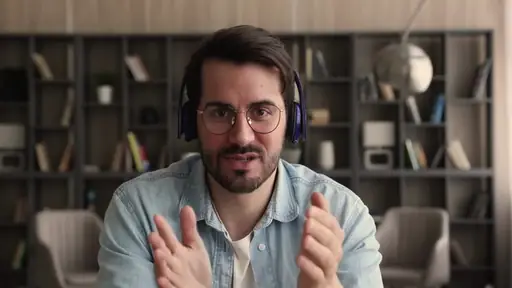
Several recordings play as one broadcast. LiveReacting starts the next video when the last one ends, so nobody has to start each one by hand.
Read the playlist guide → See scheduling and playlists →
-
Set the order, or shuffle it
Drag the videos into the order you want, or let LiveReacting shuffle them, and change the queue while the stream runs.
-
Loop one video
Play a single video over and over, for as long as your plan lets a stream run. A loop with no end is what the 24/7 plan is for.
-
Open with a countdown
Start the stream with a countdown to the hour, and let it switch to your video the moment it ends.
3M+ live streams, 39K+ happy customers.
What it is like to stream from a file.

“Perfect for what I needed it for, which was just streaming a basic, but large video to Facebook and YouTube.
It worked flawlessly and the setup was super easy. I didn’t need any of the many other features on offer but for a reliable high quality restream, it performed!”
“A very satisfying experience, taking full advantage of the wide range of possibilities offered by the LiveReacting service for a whole year.
I paid for a 24/7 streaming yearly plan, which has allowed me to reuse videos I had recorded some time ago and broadcast them again without needing to have my computer on.”
“The most amazing thing about this software is that you can update your stream on the fly. You can change branding, add pre-recorded videos and all from the cloud.
And then of course all the interactive tools like the countdowns, polls, trivia games are just so cool.”
 Geoffrey E.Chief Content Officer at a marketing agency
“This software checks all the boxes of exactly what I need for my YouTube livestreaming.
The UI is fantastic and very easy to use. It seems other platforms all have one or a few features missing that ruin it, but LiveReacting has had everything I need.”
 Jesse E.YouTube content creator
“Amazing! Live Reacting gives us the ability to post to both YouTube and Facebook quickly without having to upload to both separately.”
 Jason J.A/V Ministry Director at a religious institution
Free
Streams up to 30 minutes, in 720p, with the LiveReacting watermark on.
No card needed.
Sign up- Three live streams in a calendar month. 3 streams a month
- Each stream can run up to 30 minutes. Some platforms set their own maximum: Facebook stops a live video after 8 hours (September 2026). 30 minutes a stream
- 1280 by 720 pixels, HD. 720p at 30 FPS
- Video, image and music files kept in your account for your streams. 0.5 GB storage
- The largest single file you can upload. Files up to 0.5 GB
- One platform at a time, with the LiveReacting watermark. A custom RTMP address needs a paid plan. One destination
- People who join your stream from a link, on camera. 3 on-screen guests
- Trivia, word search, closest guess and other games. Viewers play by typing in the live chat, and up to 25 play at once. Read the Help Center guide Interactive games, 25 players
- A small LiveReacting logo in the corner. Every paid plan removes it. LiveReacting watermark on the stream
- Our team replies within 48 hours by email or chat. Minimal support
- Upload an MOV, AVI or MKV at any settings. We convert it to what YouTube, Facebook and the other platforms accept, at no extra cost. Read the Help Center guide Free video encoding
- Viewers enter by commenting. Draw a winner when you are ready, or set a timer and let it draw one on its own. Read the Help Center guide Giveaways drawn from the comments
- Ask a question and the bars move on the stream as viewers vote in the comments. Read the Help Center guide Polls on screen
- Countdowns, trivia rounds, music scenes and more. Open one and edit it in the studio. 100+ templates to start from
- The studio runs in your browser and our servers send the stream, so nothing has to stay open on your computer. Nothing to install
Small
Streams up to an hour, in 720p.
Billed $192/year. Or $19.99/mo month to month.
Buy now- As many live streams a month as you want. Unlimited streams
- Each stream can run up to 1 hour. Some platforms set their own maximum: Facebook stops a live video after 8 hours (September 2026). 1 hour a stream
- 1280 by 720 pixels, HD. 60 FPS costs 1.5 times the price. To stream at 60 FPS, ask in the chat and our team sets it up for your account. 720p at 30 FPS
- Video, image and music files kept in your account for your streams. It grows with the 60 FPS option. 8 GB storage
- The largest single file you can upload. It grows with the 60 FPS option. Files up to 3 GB
- The same stream to 3 platforms at once: YouTube, Facebook, Twitch, Instagram, or any RTMP address. Multistream to 3 destinations
- People who join your stream from a link, on camera. 6 on-screen guests
- Trivia, word search, closest guess and other games. Viewers play by typing in the live chat, and up to 150 play at once. Read the Help Center guide Interactive games, 150 players
- Create, schedule and control your streams from your own code. API access
- Let an AI agent such as Claude Code, Codex or Cursor create and control your streams from a conversation. MCP server for AI agents
- Our team replies within 24 hours by email or chat. Basic support
- Upload an MOV, AVI or MKV at any settings. We convert it to what YouTube, Facebook and the other platforms accept, at no extra cost. Read the Help Center guide Free video encoding
- Viewers enter by commenting. Draw a winner when you are ready, or set a timer and let it draw one on its own. Read the Help Center guide Giveaways drawn from the comments
- Ask a question and the bars move on the stream as viewers vote in the comments. Read the Help Center guide Polls on screen
- Paste a link and we fetch the video into your account. Nothing to download to your computer first. Read the Help Center guide Import from Google Drive, Dropbox and YouTube
- Add a game or a poll to OBS, Wirecast, StreamYard or Ecamm as a browser source, and keep streaming from the software you already use. Read the Help Center guide OBS and other software integration
- Any platform that gives you a stream key and a server address: TikTok, Kick, LinkedIn, Vimeo and most others. Read the Help Center guide Any RTMP destination
- Pick the date and time. The stream starts then with nobody at the computer, and your followers can opt in to a reminder before it does. Read the Help Center guide Scheduled streams
- Countdowns, trivia rounds, music scenes and more. Open one and edit it in the studio. 100+ templates to start from
- The studio runs in your browser and our servers send the stream, so nothing has to stay open on your computer. Nothing to install
Medium
Full HD streams up to three hours.
Billed $396/year. Or $39.99/mo month to month.
Buy now- As many live streams a month as you want. Unlimited streams
- Each stream can run up to 3 hours. Some platforms set their own maximum: Facebook stops a live video after 8 hours (September 2026). 3 hours a stream
- 1920 by 1080 pixels, Full HD. 60 FPS costs 1.5 times the price, 4K 2 times, 4K at 60 FPS 3 times. To stream at 60 FPS or in 4K, ask in the chat and our team sets it up for your account. 1080p at 30 FPS
- Video, image and music files kept in your account for your streams. It grows with the 60 FPS and 4K options. 30 GB storage
- The largest single file you can upload. It grows with the 60 FPS and 4K options. Files up to 6 GB
- The same stream to 6 platforms at once: YouTube, Facebook, Twitch, Instagram, or any RTMP address. Multistream to 6 destinations
- People who join your stream from a link, on camera. 8 on-screen guests
- Trivia, word search, closest guess and other games. Viewers play by typing in the live chat, and up to 500 play at once. Read the Help Center guide Interactive games, 500 players
- Schedule the same stream on several dates, or repeat it every set number of minutes, hours or days, up to four weeks ahead. Read the Help Center guide Advanced Scheduling
- Made the event in YouTube Studio or Facebook Live Producer already? LiveReacting streams into it and takes its title and description, instead of creating a second event. Read the Help Center guide Stream into an event you already scheduled
- Mark the points in your video or playlist where YouTube may show an ad, so a break lands between two songs or two episodes and not in the middle of one. Needs monetization on your YouTube channel. Read the Help Center guide Ad Slots Manager
- Create, schedule and control your streams from your own code. API access
- Let an AI agent such as Claude Code, Codex or Cursor create and control your streams from a conversation. MCP server for AI agents
- Our team replies within 12 hours by email or chat. Priority support
- Upload an MOV, AVI or MKV at any settings. We convert it to what YouTube, Facebook and the other platforms accept, at no extra cost. Read the Help Center guide Free video encoding
- Viewers enter by commenting. Draw a winner when you are ready, or set a timer and let it draw one on its own. Read the Help Center guide Giveaways drawn from the comments
- Ask a question and the bars move on the stream as viewers vote in the comments. Read the Help Center guide Polls on screen
- Paste a link and we fetch the video into your account. Nothing to download to your computer first. Read the Help Center guide Import from Google Drive, Dropbox and YouTube
- Add a game or a poll to OBS, Wirecast, StreamYard or Ecamm as a browser source, and keep streaming from the software you already use. Read the Help Center guide OBS and other software integration
- Any platform that gives you a stream key and a server address: TikTok, Kick, LinkedIn, Vimeo and most others. Read the Help Center guide Any RTMP destination
- Pick the date and time. The stream starts then with nobody at the computer, and your followers can opt in to a reminder before it does. Read the Help Center guide Scheduled streams
- Countdowns, trivia rounds, music scenes and more. Open one and edit it in the studio. 100+ templates to start from
- The studio runs in your browser and our servers send the stream, so nothing has to stay open on your computer. Nothing to install
Large
Streams up to eight hours, with more room for files.
Billed $996/year. Or $99.99/mo month to month.
Buy now- As many live streams a month as you want. Unlimited streams
- Each stream can run up to 8 hours. Some platforms set their own maximum: Facebook stops a live video after 8 hours (September 2026). 8 hours a stream
- 1920 by 1080 pixels, Full HD. 60 FPS costs 1.5 times the price, 4K 2 times, 4K at 60 FPS 3 times. To stream at 60 FPS or in 4K, ask in the chat and our team sets it up for your account. 1080p at 30 FPS
- Video, image and music files kept in your account for your streams. It grows with the 60 FPS and 4K options. 60 GB storage
- The largest single file you can upload. It grows with the 60 FPS and 4K options. Files up to 12 GB
- The same stream to 10 platforms at once: YouTube, Facebook, Twitch, Instagram, or any RTMP address. Multistream to 10 destinations
- People who join your stream from a link, on camera. 10 on-screen guests
- Trivia, word search, closest guess and other games. Viewers play by typing in the live chat, and up to 1000 play at once. Read the Help Center guide Interactive games, 1000 players
- Schedule the same stream on several dates, or repeat it every set number of minutes, hours or days, up to four weeks ahead. Read the Help Center guide Advanced Scheduling
- Made the event in YouTube Studio or Facebook Live Producer already? LiveReacting streams into it and takes its title and description, instead of creating a second event. Read the Help Center guide Stream into an event you already scheduled
- Mark the points in your video or playlist where YouTube may show an ad, so a break lands between two songs or two episodes and not in the middle of one. Needs monetization on your YouTube channel. Read the Help Center guide Ad Slots Manager
- Create, schedule and control your streams from your own code. API access
- Let an AI agent such as Claude Code, Codex or Cursor create and control your streams from a conversation. MCP server for AI agents
- Our team replies within 6 hours by email or chat. Premium support
- Upload an MOV, AVI or MKV at any settings. We convert it to what YouTube, Facebook and the other platforms accept, at no extra cost. Read the Help Center guide Free video encoding
- Viewers enter by commenting. Draw a winner when you are ready, or set a timer and let it draw one on its own. Read the Help Center guide Giveaways drawn from the comments
- Ask a question and the bars move on the stream as viewers vote in the comments. Read the Help Center guide Polls on screen
- Paste a link and we fetch the video into your account. Nothing to download to your computer first. Read the Help Center guide Import from Google Drive, Dropbox and YouTube
- Add a game or a poll to OBS, Wirecast, StreamYard or Ecamm as a browser source, and keep streaming from the software you already use. Read the Help Center guide OBS and other software integration
- Any platform that gives you a stream key and a server address: TikTok, Kick, LinkedIn, Vimeo and most others. Read the Help Center guide Any RTMP destination
- Pick the date and time. The stream starts then with nobody at the computer, and your followers can opt in to a reminder before it does. Read the Help Center guide Scheduled streams
- Countdowns, trivia rounds, music scenes and more. Open one and edit it in the studio. 100+ templates to start from
- The studio runs in your browser and our servers send the stream, so nothing has to stay open on your computer. Nothing to install
Enterprise
Full-day streams, the most storage and guests.
Billed $2496/year. Or $249.99/mo month to month.
Buy now- As many live streams a month as you want. Unlimited streams
- Each stream can run up to 24 hours. Some platforms set their own maximum: Facebook stops a live video after 8 hours (September 2026). 24 hours a stream
- 1920 by 1080 pixels, Full HD. 60 FPS costs 1.5 times the price, 4K 2 times, 4K at 60 FPS 3 times. To stream at 60 FPS or in 4K, ask in the chat and our team sets it up for your account. 1080p at 30 FPS
- Video, image and music files kept in your account for your streams. It grows with the 60 FPS and 4K options. 150 GB storage
- The largest single file you can upload. It grows with the 60 FPS and 4K options. Files up to 20 GB
- The same stream to 20 platforms at once: YouTube, Facebook, Twitch, Instagram, or any RTMP address. Multistream to 20 destinations
- People who join your stream from a link, on camera. 12 on-screen guests
- Trivia, word search, closest guess and other games. Viewers play by typing in the live chat, and up to 4000 play at once. Read the Help Center guide Interactive games, 4000 players
- Schedule the same stream on several dates, or repeat it every set number of minutes, hours or days, up to four weeks ahead. Read the Help Center guide Advanced Scheduling
- Made the event in YouTube Studio or Facebook Live Producer already? LiveReacting streams into it and takes its title and description, instead of creating a second event. Read the Help Center guide Stream into an event you already scheduled
- Mark the points in your video or playlist where YouTube may show an ad, so a break lands between two songs or two episodes and not in the middle of one. Needs monetization on your YouTube channel. Read the Help Center guide Ad Slots Manager
- Create, schedule and control your streams from your own code. API access
- Let an AI agent such as Claude Code, Codex or Cursor create and control your streams from a conversation. MCP server for AI agents
- Our team replies within 6 hours by email or chat. Premium support
- Upload an MOV, AVI or MKV at any settings. We convert it to what YouTube, Facebook and the other platforms accept, at no extra cost. Read the Help Center guide Free video encoding
- Viewers enter by commenting. Draw a winner when you are ready, or set a timer and let it draw one on its own. Read the Help Center guide Giveaways drawn from the comments
- Ask a question and the bars move on the stream as viewers vote in the comments. Read the Help Center guide Polls on screen
- Paste a link and we fetch the video into your account. Nothing to download to your computer first. Read the Help Center guide Import from Google Drive, Dropbox and YouTube
- Add a game or a poll to OBS, Wirecast, StreamYard or Ecamm as a browser source, and keep streaming from the software you already use. Read the Help Center guide OBS and other software integration
- Any platform that gives you a stream key and a server address: TikTok, Kick, LinkedIn, Vimeo and most others. Read the Help Center guide Any RTMP destination
- Pick the date and time. The stream starts then with nobody at the computer, and your followers can opt in to a reminder before it does. Read the Help Center guide Scheduled streams
- Countdowns, trivia rounds, music scenes and more. Open one and edit it in the studio. 100+ templates to start from
- The studio runs in your browser and our servers send the stream, so nothing has to stay open on your computer. Nothing to install
KICKSTART2026
24/7 streaming
One or more streams that run until you stop them.
First year $287.93, then $33/mo, billed $396/year. New customers, until Oct 31, 2026.
- One live stream that runs the whole month. Pick up to 20 streams in the Concurrent streams box for a volume discount, or ask our team for up to 1,000. 1 stream at a time, 24/7
- The stream runs until you stop it. Some platforms set their own maximum: Facebook stops a live video after 8 hours (September 2026). No time limit on a stream
- 1920 by 1080 pixels, Full HD. 60 FPS costs 1.5 times the price, 4K 2 times, 4K at 60 FPS 3 times. To stream at 60 FPS or in 4K, ask in the chat and our team sets it up for your account. 1080p at 30 FPS
- Video, image and music files kept in your account for your streams. It grows with the 60 FPS and 4K options. 100 GB storage
- The largest single file you can upload. It grows with the 60 FPS and 4K options. Files up to 10 GB
- The same stream to 5 platforms at once: YouTube, Facebook, Twitch, Instagram, or any RTMP address. Multistream to 5 destinations
- People who join your stream from a link, on camera. 3 on-screen guests
- Trivia, word search, closest guess and other games. Viewers play by typing in the live chat, and up to 150 play at once. Read the Help Center guide Interactive games, 150 players
- Schedule the same stream on several dates, or repeat it every set number of minutes, hours or days, up to four weeks ahead. Read the Help Center guide Advanced Scheduling
- Made the event in YouTube Studio or Facebook Live Producer already? LiveReacting streams into it and takes its title and description, instead of creating a second event. Read the Help Center guide Stream into an event you already scheduled
- Mark the points in your video or playlist where YouTube may show an ad, so a break lands between two songs or two episodes and not in the middle of one. Needs monetization on your YouTube channel. Read the Help Center guide Ad Slots Manager
- Create, schedule and control your streams from your own code. API access
- Let an AI agent such as Claude Code, Codex or Cursor create and control your streams from a conversation. MCP server for AI agents
- Our team replies within 24 hours by email or chat. Basic support
- Upload an MOV, AVI or MKV at any settings. We convert it to what YouTube, Facebook and the other platforms accept, at no extra cost. Read the Help Center guide Free video encoding
- Put your videos in the order you want. The stream plays through them and starts again at the top, so the channel keeps running without you. Read the Help Center guide Video Playlists
- Viewers enter by commenting. Draw a winner when you are ready, or set a timer and let it draw one on its own. Read the Help Center guide Giveaways drawn from the comments
- Ask a question and the bars move on the stream as viewers vote in the comments. Read the Help Center guide Polls on screen
- Paste a link and we fetch the video into your account. Nothing to download to your computer first. Read the Help Center guide Import from Google Drive, Dropbox and YouTube
- Any platform that gives you a stream key and a server address: TikTok, Kick, LinkedIn, Vimeo and most others. Read the Help Center guide Any RTMP destination
- Pick the date and time. The stream starts then with nobody at the computer, and your followers can opt in to a reminder before it does. Read the Help Center guide Scheduled streams
- Countdowns, trivia rounds, music scenes and more. Open one and edit it in the studio. 100+ templates to start from
- The studio runs in your browser and our servers send the stream, so nothing has to stay open on your computer. Nothing to install
What else goes into a pre-recorded live stream.
Add any of these before you go live, or change them while the stream runs.
-
Trivia, polls and giveaways over the video
Viewers take part by typing a comment in the live chat, and LiveReacting puts the results on the picture.
See live polls -
Your logo, name banners and scrolling text
Put any of them anywhere on the picture, and move or change them while the stream is running.
Help Center guide -
Ad breaks on YouTube
The Ad Slots Manager sets the points where ads may run, on a monetized YouTube channel connected with a login. Medium plan and above.
Help Center guide -
Guests on screen with you
Invite someone by link and bring them in beside the recording, with no software for them to install.
See guests on a stream -
Landscape, square or portrait
Pick the shape before you go live. A portrait stream fits TikTok, Instagram and Shorts; a landscape one fits YouTube and Twitch.
Help Center guide -
Almost any video file
MP4, MOV, MKV, AVI, WMV, FLV and four other formats. Our servers encode the file for streaming after you upload it.
Help Center guide -
Add video from your camera
Pause the recording, go live from your webcam to say something, then start the video again from where it stopped.
See going live from camera -
Run it from a script
From the API: create a stream, add the video, schedule it, swap it while it is on air. An agent does the same over MCP.
See API and integrations
Open a ready-made project and change it.
A ready-made stream project. Open it, keep it as it is or change what you need, and go live without building anything from scratch.
-
 Open template
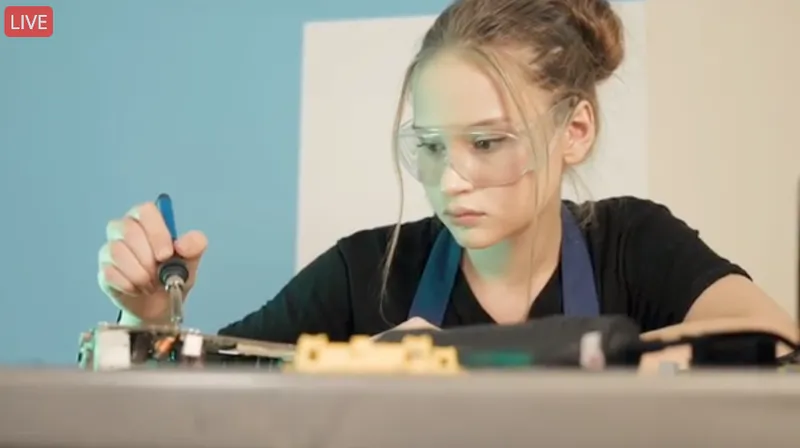
One video file, streamed live at the time you choose.
Simple pre-recorded video
Open template
One video file, streamed live at the time you choose.
Simple pre-recorded video
-
 Open template
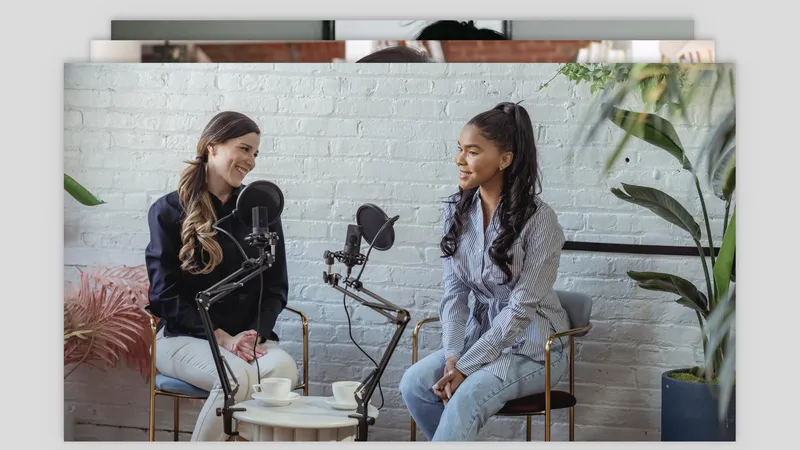
Several videos in a row, in the order you set.
Playlist of pre-recorded videos
Open template
Several videos in a row, in the order you set.
Playlist of pre-recorded videos
-
 Open template
A countdown to the start, then the video.
Countdown, then the video
Open template
A countdown to the start, then the video.
Countdown, then the video
-
 Open template
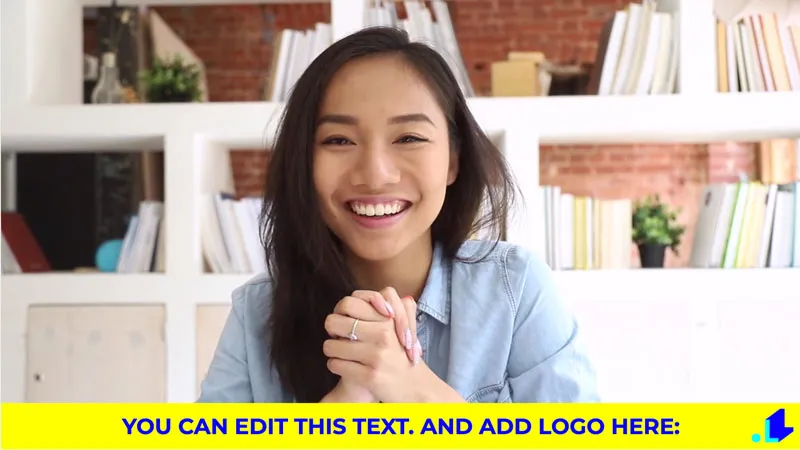
Your name, your title and your logo over the video.
Video with a name banner and logo
Open template
Your name, your title and your logo over the video.
Video with a name banner and logo
-
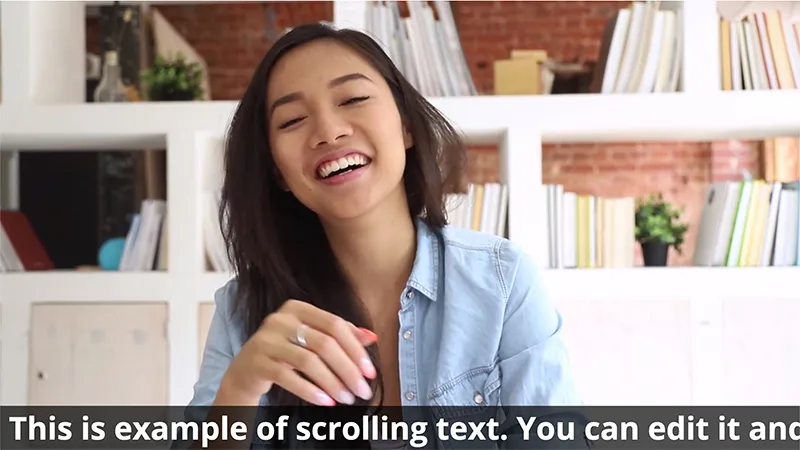 Open template
A line of text moving along the bottom of the picture.
Video with scrolling text
Open template
A line of text moving along the bottom of the picture.
Video with scrolling text
-
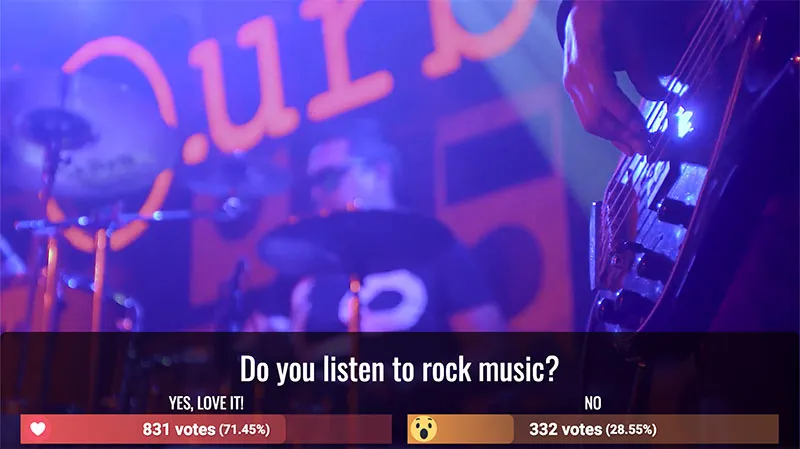 Open template
A poll your viewers answer with a Facebook reaction.
Video with a Facebook reactions poll
Open template
A poll your viewers answer with a Facebook reaction.
Video with a Facebook reactions poll
Who streams a finished video, and why.
Any finished video can go out as a live stream at the hour its audience can watch.
-
A Sunday service
A service filmed during the week airs at the service hour, with the church name on a banner across the picture.
See church live streaming -
A webinar or a training session
The session is recorded and edited in advance, so the presenter is free to answer questions in the chat instead of presenting.
Read the webinar guide -
A lesson for a class
The same lesson airs at the same hour each week on a timetable, so a class watches it together rather than alone.
How scheduling works -
A product launch
The film is finished and checked days before the date, so nothing can go wrong on camera on the day it airs.
How a queue works -
A weekly show or podcast
One episode, edited in advance, airs on the same day every week and goes out to every platform the show is on.
Read the podcast guide -
A team spread across time zones
One recording airs twice, hours apart, so people in two regions each watch at a reasonable time of day.
How scheduling works
How other people set it up.
-
How to live stream a pre-recorded video on YouTube
-
Stream a pre-recorded video on Facebook Live, step by step
-
How to live stream a pre-recorded video on Twitch
-
Apple's keynote is a pre-recorded live stream. Yours can be too
-
MKV or MP4: which format should you stream?
-
How to go live on Instagram with a pre-recorded video
Frequently asked questions.
Why not just upload the video instead?
An upload is a file on a page. Each person finds it on their own day, watches alone, and leaves a comment you read later. A live stream starts at an hour you set, so the people who come are there together, and the chat runs beside the video while it plays. You answer them yourself, in the same minutes the video is on screen, and you can put a comment on the picture for everybody to read. You can also change the stream while it runs: swap the video, pause it and go live from your camera, then start the recording again. None of that is possible once a file is posted. On one channel we counted, the same video got 86% more views as a pre-recorded live stream than as a regular upload.
Do pre-recorded live streams get more views than regular uploads?
On one channel we counted, yes. Fábio Teruel publishes the same daily prayer video to his faith channel in Brazil both as a pre-recorded live stream and as a regular upload. Over five of each published from March 1 to 5, 2026, the live streams averaged 85,174 views against 45,670 for the uploads, which is 86% more, and 22,111 likes against 10,848, which is 104% more. The counts were read from the public channel on March 6, 2026. That is one channel in one week, and your own numbers will depend on your channel and your audience.
Is it allowed to stream a pre-recorded video as a live stream?
The platforms that write a rule allow it and ask you to say it is pre-recorded. Facebook asks that a live broadcast carrying pre-recorded content is marked as pre-recorded. Twitch asks you to tick the Rerun box and put [Rerun] at the front of the stream title and the go-live notice. TikTok asks you to be clear that a LIVE is recorded rather than happening now. YouTube publishes no rule about pre-recorded content in a live stream. Checked on the platforms' own help pages in September 2026.
Can my viewers tell that the video is pre-recorded?
The broadcast behaves like any other live stream: it starts at the hour you set, the live chat is open beside it, and the platform counts everyone watching at that moment. What tells your viewers is the label the platform asks you to add, and what you say to them. The video is recorded, and your replies in the chat are not.
How is this different from a YouTube Premiere?
This is what the industry calls simulive: a recording played out as a live broadcast. A Premiere plays a video you uploaded to YouTube at a set time, with live chat, and for a single YouTube event that is often enough. LiveReacting sends the same video to YouTube, Facebook, Twitch and other platforms at the same time, puts your logo, a name banner, a countdown or a poll over it, plays several videos in a row, and lets you swap the video or cut to your camera while it is on air. YouTube also states that a Premiere does not support an output above 1080p.
How do I live stream a pre-recorded video on YouTube?
Sign in to LiveReacting, connect your YouTube channel and create a new stream, from a template or from scratch. Upload the video file you want to broadcast, and choose whether to go live now or at a date and time you set. Then start the stream, and our servers send the video to your channel as a live broadcast.
How do I stream a pre-recorded video on Facebook Live?
Connect your Facebook Page or profile in LiveReacting, add your video and start the stream, the same way as on YouTube. Facebook asks that a live broadcast with pre-recorded content is clearly marked as pre-recorded, so say so in the title or the description. Facebook also requires an account at least 60 days old and a Page or professional-mode profile with at least 100 followers (September 2026).
What type of video file can I stream?
MP4, M4V, MOV, MKV, AVI, WMV, FLV, WebM, OGV and 3GP. Our servers encode the file for streaming after you upload it, so a recording straight from a camera or a phone works without you converting it first. If you do export it yourself, H.264 video is what we recommend, at about 4 Mbps for 720p and 8 Mbps for 1080p at 30 frames a second; the full settings are in the Help Center.
How big can my video file be, and what quality does it stream at?
One file can be from 0.5 GB on the Free plan up to 20 GB on Enterprise, and your storage runs from 0.5 GB to 150 GB, so you can keep videos for later streams. The broadcast goes out at 720p on the smaller plans and 1080p from Medium up, and 4K is an upgrade on Medium and above. The pricing page has the figure for each plan.
Do I have to keep my computer on while the stream is live?
No. Upload the video, start it or schedule it, and you can close the tab and switch the computer off. The stream plays from our servers. You only need to be signed in if you want to answer comments or change something while it runs.
Do I need a fast internet connection?
Only to upload the video file. After that the broadcast goes out from our servers, so your own connection does not affect the picture your viewers see.
Can I stream to several platforms at the same time?
Yes. Connect each platform with a login, or paste a stream key for the ones that have no login, and the same video goes out to all of them at once. One stream reaches up to 20 destinations at the same time on the largest plan, and the pricing page has the figure for each.
Can I stream to Instagram and TikTok?
Yes to both. Instagram has a login to connect, and TikTok does not, so for TikTok you copy the stream key from the app and paste it in. TikTok asks for 1,000 followers before an account can go LIVE at all (September 2026), and asks you to be clear that a LIVE is recorded, so say so in the title or the description.
Can I combine several videos into one broadcast?
Yes. Put them in a playlist and set the order, or shuffle it, and the next video starts the moment the last one ends. You can add videos and change the order while the stream is on air.
Can I loop one video so it plays continuously?
Yes, up to the maximum stream length on your plan. For a stream that never stops, 24/7 live streaming is the product built for it.
What is the longest a pre-recorded live stream can run?
It depends on your plan and on the platform. On LiveReacting a single stream runs from half an hour on the Free plan up to 24 hours on Enterprise, and the 24/7 plan has no limit; the pricing page has the figure for each. The platforms publish their own: Facebook 8 hours, Twitch 48 hours, LinkedIn 4 hours. YouTube publishes no maximum, and may not save a recording of a stream longer than 12 hours.
Can I schedule a pre-recorded live stream?
Yes. Pick the date and time when you create the stream, and it starts on its own at that hour. Advanced Scheduling, on the Medium plan and above, repeats the same stream daily, weekly, or on a list of dates you choose, up to 50 runs within 30 days.
What is LiveReacting's cancellation policy?
You can pause or cancel your subscription at any time on your profile page, or ask us in the live chat.
How do you live stream a pre-recorded video?
- To live stream a pre-recorded video, upload the video file to LiveReacting, connect the channel you want to stream to, and either start the broadcast or set the date and time for it to start. Our servers play the file out as a live stream, so nothing runs on your computer and it can be switched off while the stream is on. The live chat stays open the whole time, so you answer your viewers while the video plays.
-
- Upload the video file you have already recorded and edited.
- Connect YouTube, Facebook, Twitch or any platform that takes a stream key.
- Go live now, or pick the date and time and let the stream start on its own.
-
 Written and reviewed by the LiveReacting Streaming Team. Powering live streams since 2016. See customer results.
Last updated: September 2026
Written and reviewed by the LiveReacting Streaming Team. Powering live streams since 2016. See customer results.
Last updated: September 2026
Three things to have ready
- The finished video file A video you have already recorded and edited, in any common format. The file size limit is on the pricing page, and our servers encode it for streaming after you upload it.
- A channel to stream to A YouTube channel with live streaming enabled, which YouTube can take up to 24 hours to switch on, or a Facebook Page or professional-mode profile with at least 100 followers on an account at least 60 days old.
- A LiveReacting account The Free plan does not expire and lets you test the stream. Scheduling and a stream longer than half an hour need a paid plan.
Upload a video and pick the time.
Connect your channel and go live now, or at the time you choose. The Free plan does not expire and lets you test the stream; scheduling and a stream longer than half an hour need a paid plan.
- No credit card
- 4.8 from 633 reviews
Want the numbers first? See plans and pricing